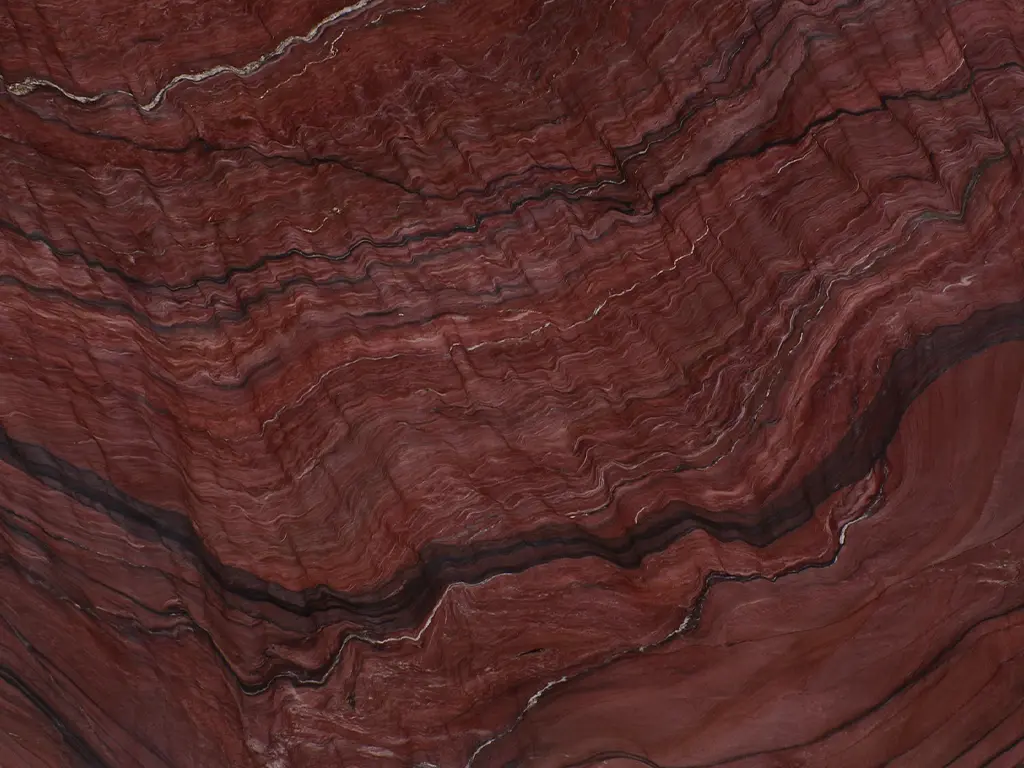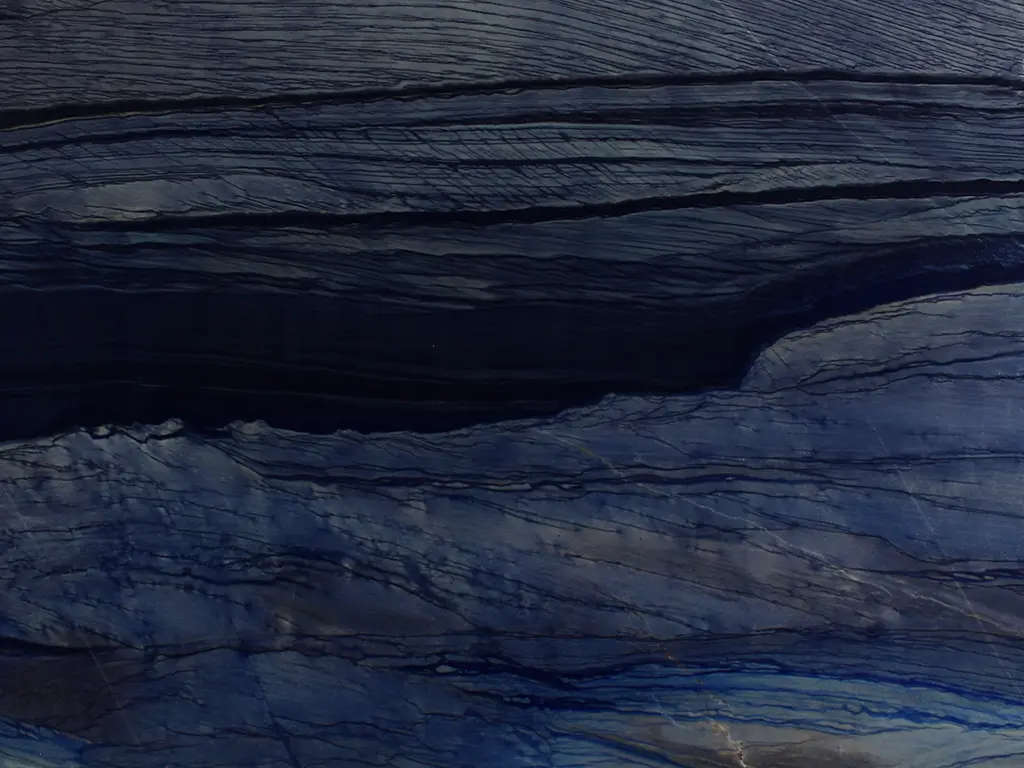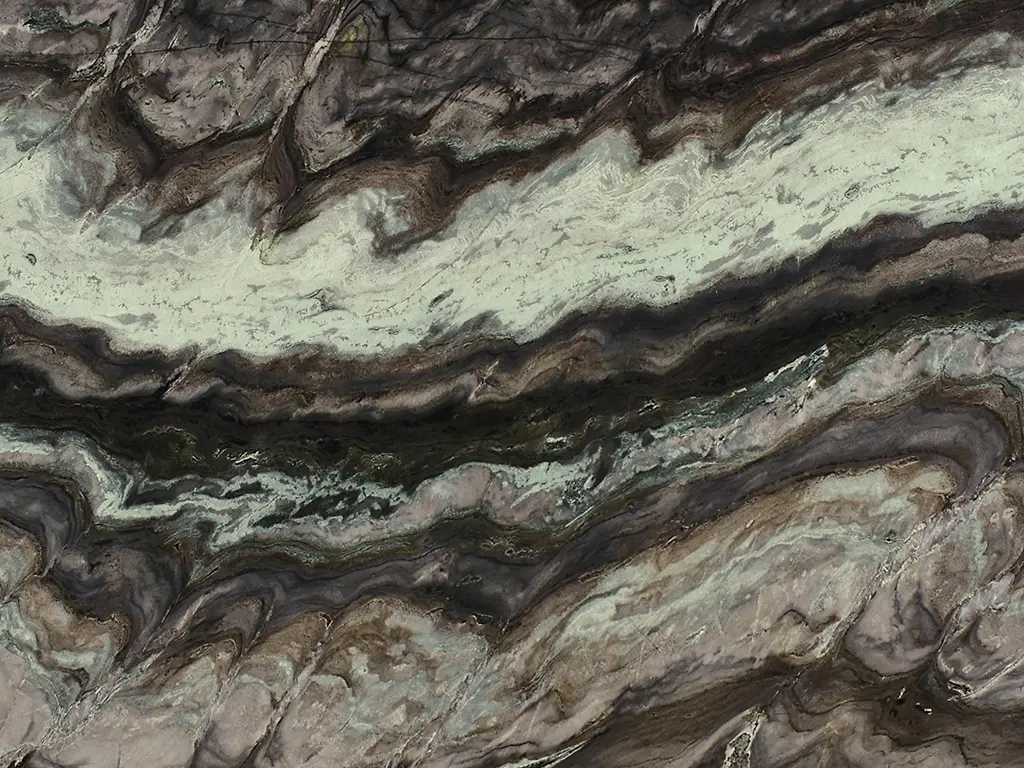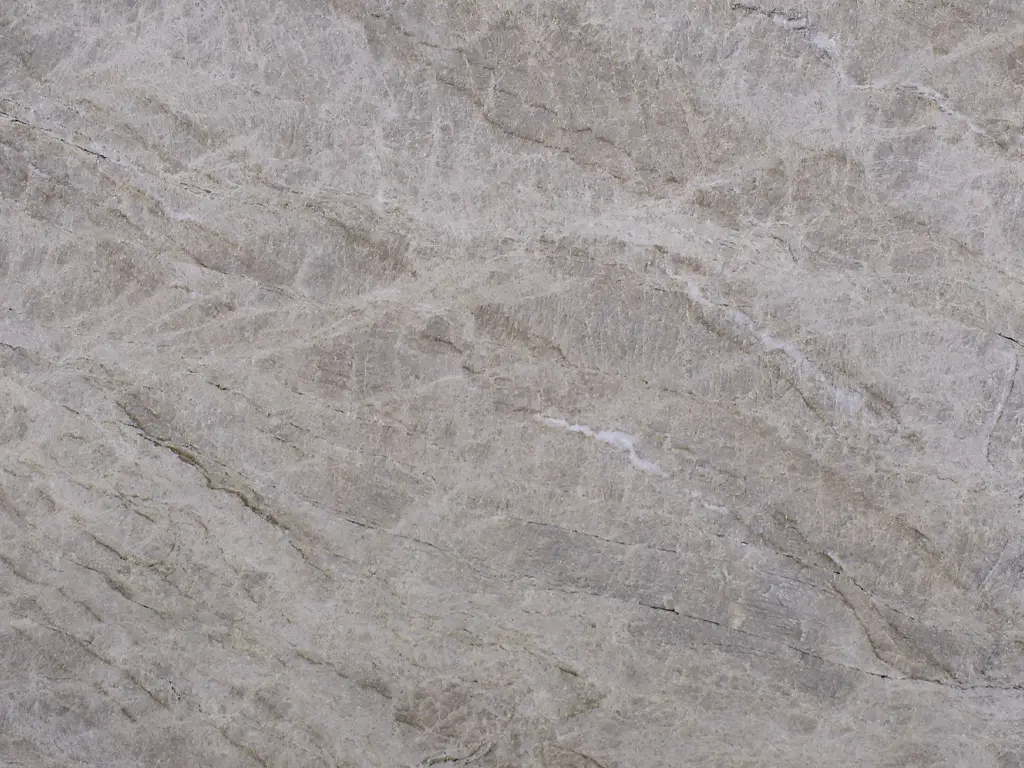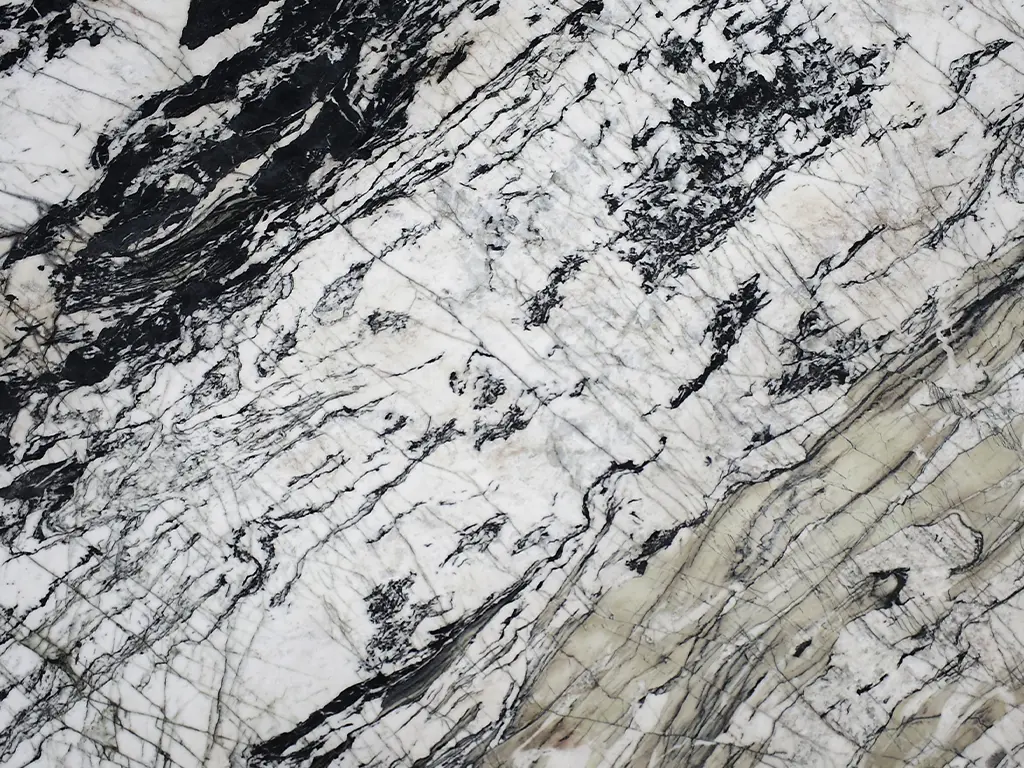

Forged by the recrystallization of ancient sandstones under extreme tectonic pressures, Cullinan Quartzite is the geological definition of resilience. Its granoblastic structure is dominated by interlocking quartz crystals, creating a compact and translucent surface of timeless beauty. By specifying Cullinan Quartzite, a project gains the durability of one of nature’s hardest rocks, combined with a noble aesthetic that endures through the ages without losing its majesty.
Every detail in natural stone comes from the perfect mix of minerals, creating colors, veins, and textures that can’t really be copied. It’s a natural formation that holds the story of the Earth, shaped over millions of years.
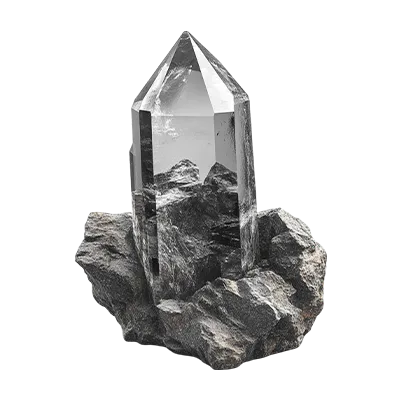
A very common mineral in the continental crust made of pure silica. It is essential in granites, sandstones, and quartzites and is known for its high hardness and glassy shine. It is highly resistant to weathering and forms beach sand. It comes in many colorful varieties, like amethyst, and is important for making glass and watches.
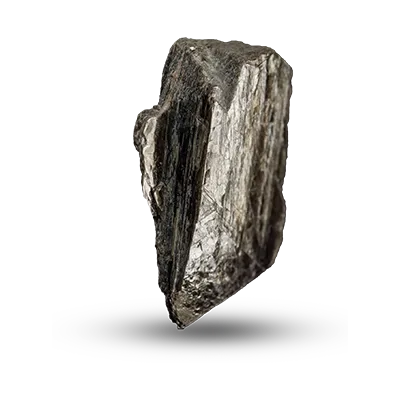
The most common white mica in the Earth’s crust. It is rich in potassium and aluminum and is found in granites, pegmatites, and schists. It stands out for its perfect cleavage, allowing it to peel into thin, flexible, and transparent sheets. It was once used as glass in ancient Russia and today is used as a thermal and electrical insulator and in cosmetic shine products.
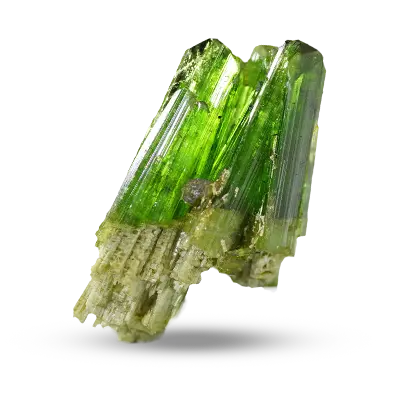
A borosilicate mineral found in many colors. Fun fact: when heated, it attracts ash through a phenomenon called pyroelectricity, which was once used to clean pipes. It is commonly found in pegmatites and shows striated crystals. The Paraíba variety, known for its vibrant neon-blue color, is the rarest, most valuable, and most desired Brazilian gemstone.





marketing@santonio.com.br
+55 28 2102 1920
+55 28 9 9884 9666
Rod. Camilo Cola, Km 7,221 Monte LíbanoCachoeiro de Itapemirim, ES CEP 29.308-500 – Brasil