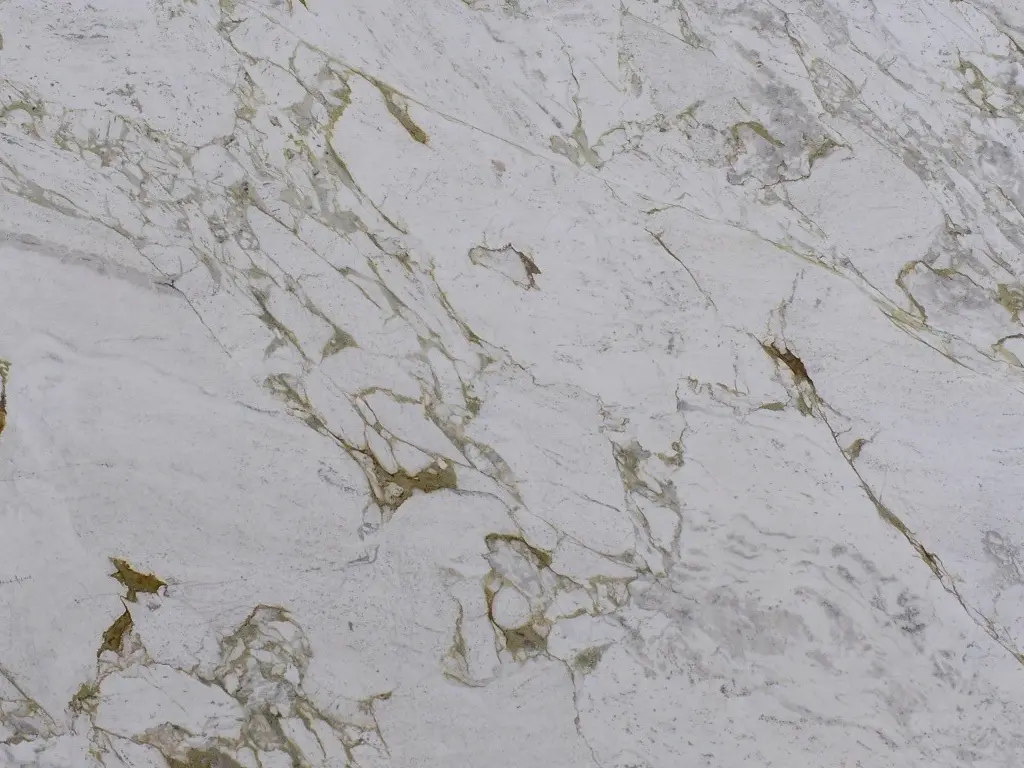
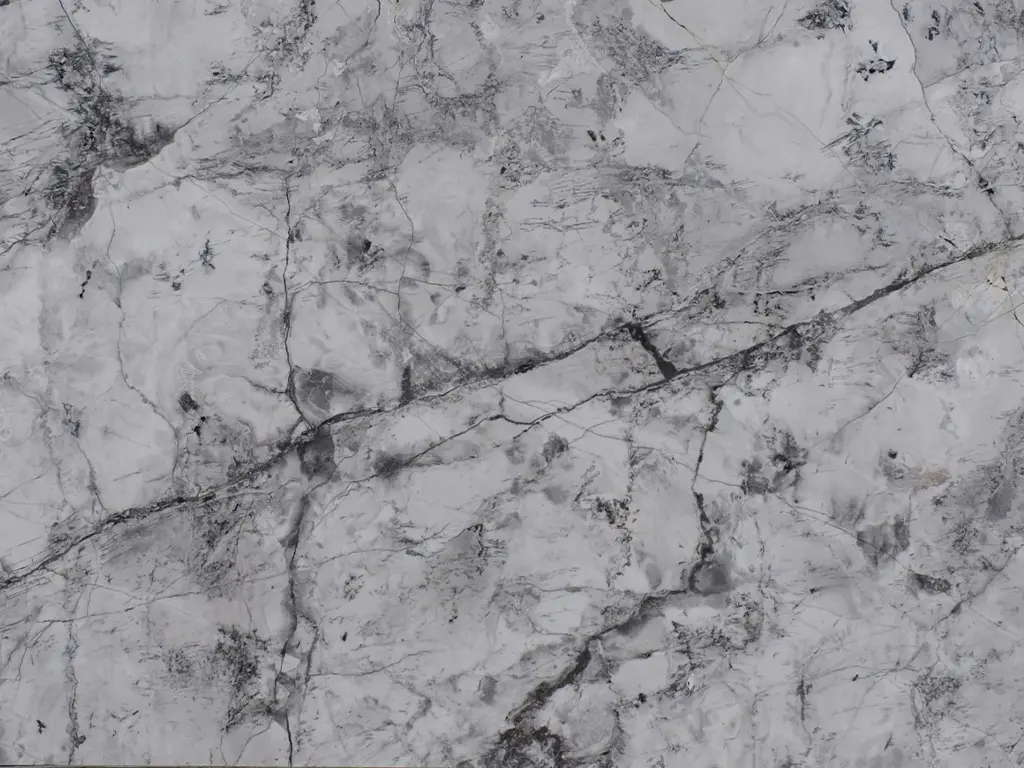
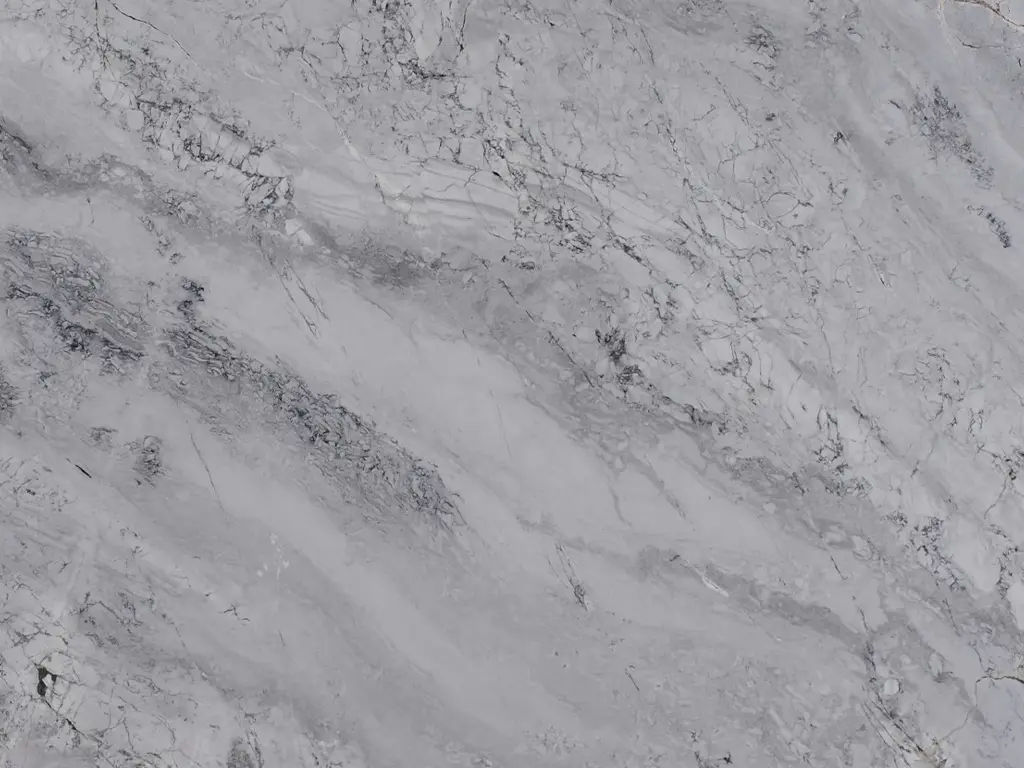
Deep within the Earth’s crust, the slow cooling of magmas rich in potassium-bearing minerals gave rise to the imposing aesthetic of this stone. Often marketed in the luxury sector as Napoleão Bordeaux Marble, it is geologically classified as a high-strength granite. Its matrix, defined by warm tones and well-formed feldspar and quartz crystals, delivers the superior durability of igneous rocks combined with a classic elegance reminiscent of European nobility.
Every detail in natural stone comes from the perfect mix of minerals, creating colors, veins, and textures that can’t really be copied. It’s a natural formation that holds the story of the Earth, shaped over millions of years.
The most abundant mineral group in the Earth’s crust. They are aluminosilicates made of potassium, sodium, and calcium. They are essential in forming igneous rocks like granites and basalts. Their colors range from white and pink to gray, and they have a glassy shine. They are widely used in industry to produce glass, ceramics, glazes, and porcelain.
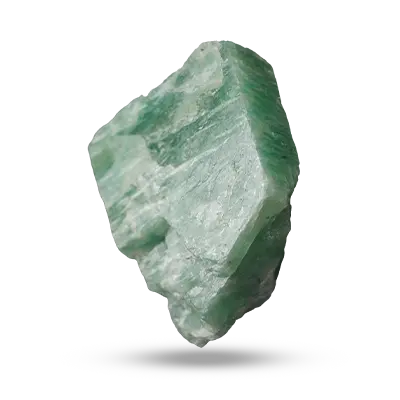
The most abundant mineral series in the Earth’s crust, part of the feldspar family. Their chemical composition includes sodium, calcium, aluminum, and silica. They are important for classifying igneous rocks and range from white to gray. They are commonly found in basalts and granites and usually show fine, typical striations on their crystal surfaces.
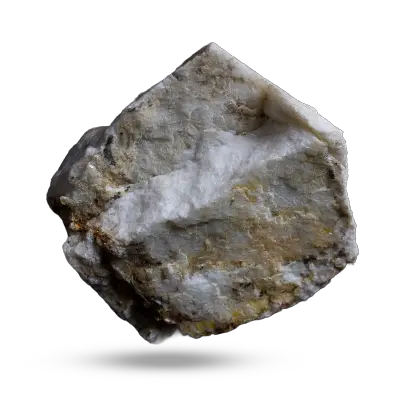
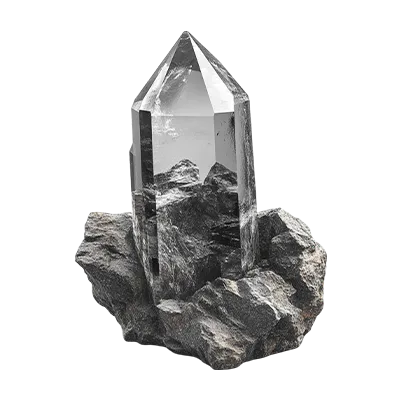
A very common mineral in the continental crust made of pure silica. It is essential in granites, sandstones, and quartzites and is known for its high hardness and glassy shine. It is highly resistant to weathering and forms beach sand. It comes in many colorful varieties, like amethyst, and is important for making glass and watches.




marketing@santonio.com.br
+55 28 2102 1920
+55 28 9 9984 1920
Rod. Camilo Cola, Km 7,221 Monte LíbanoCachoeiro de Itapemirim, ESCEP 29.308-500 – Brasil