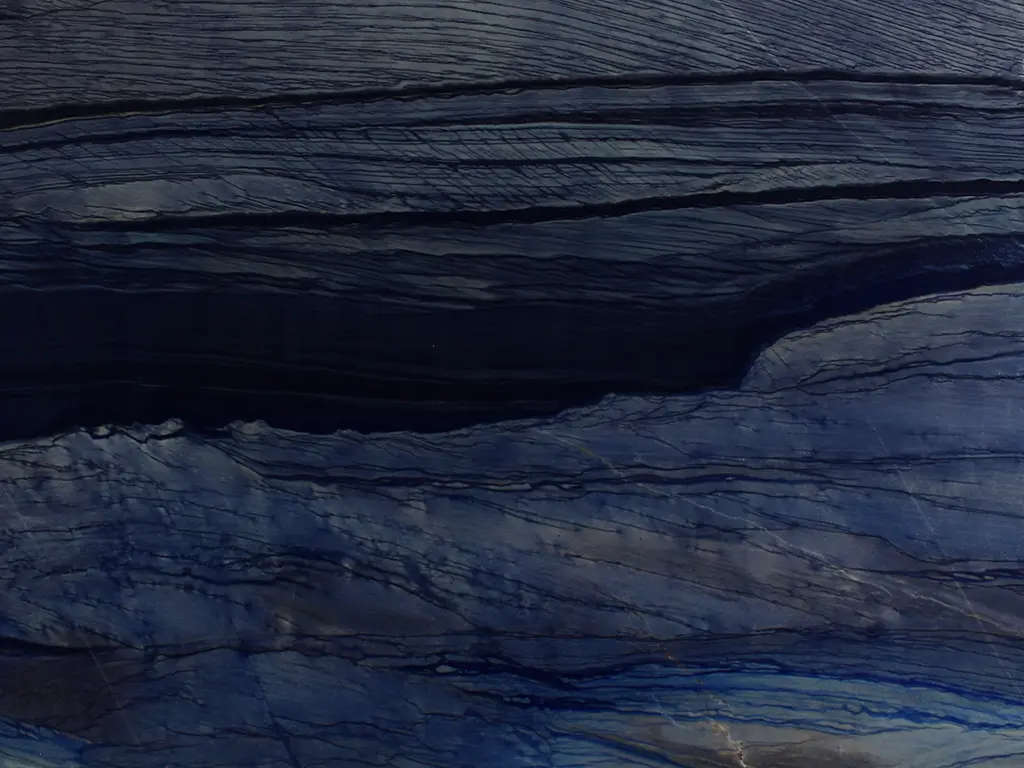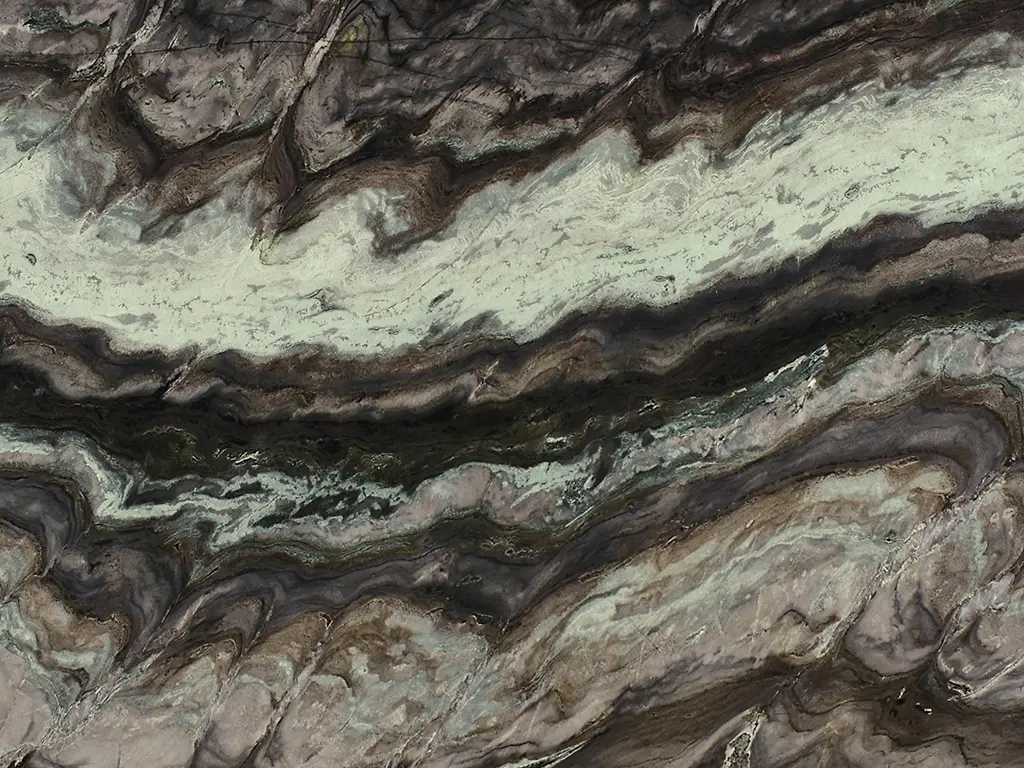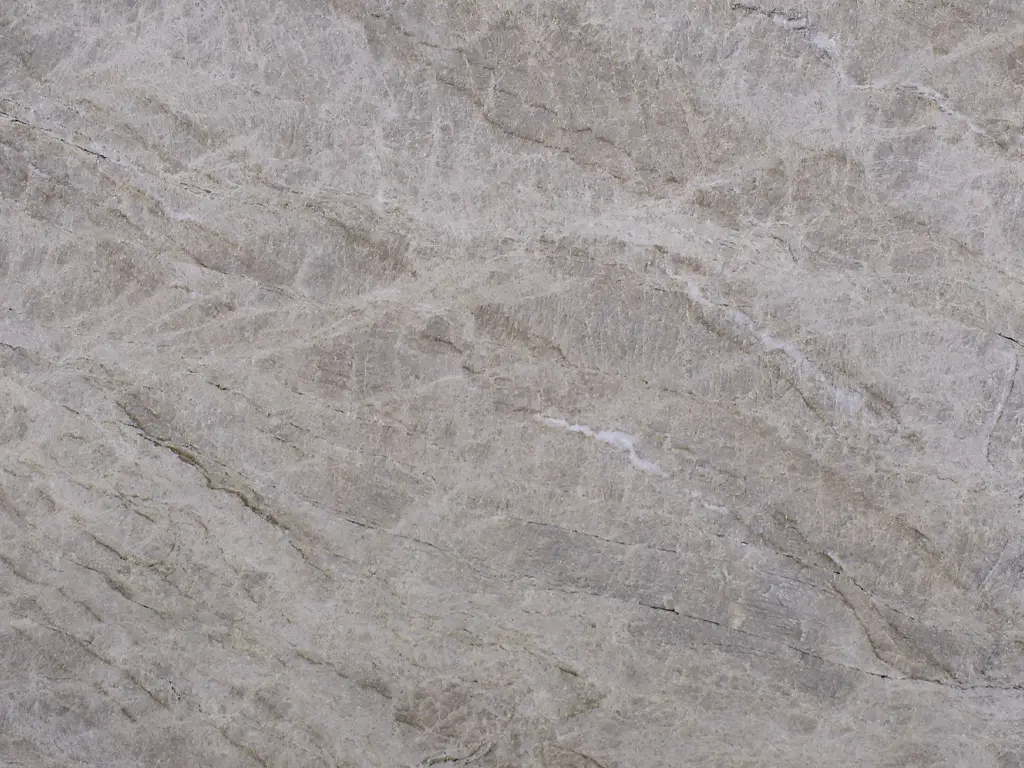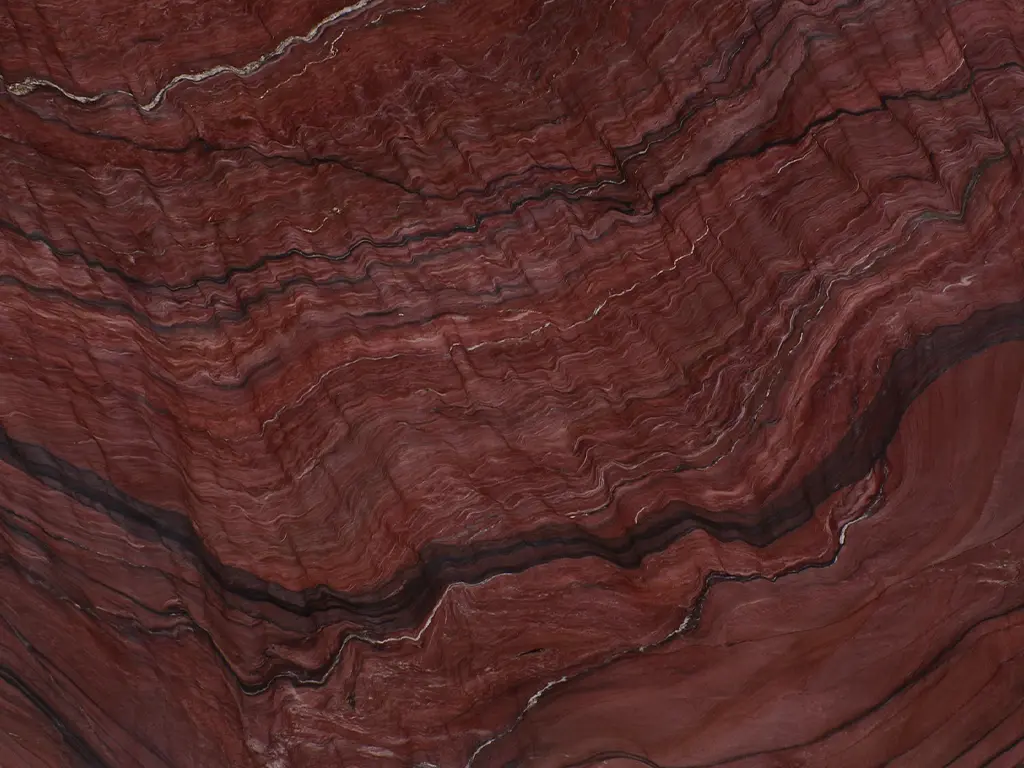
Revolution Wave Quartzite is an exotic and visually captivating stone quarried in Brazil, known for its striking color palette and mesmerizing pattern. Featuring a rich red base, this quartzite is adorned with bold waves of dark red, white, and black, creating a dynamic and fluid design across its surface. The contrasting hues and undulating patterns evoke a sense of motion, giving the stone an almost artistic, natural flow.
The deep red foundation of Revolution Wave Quartzite is complemented by intricate veins of dark red, black, and white, which appear to ripple across the surface like waves in an ocean, adding both depth and drama. The varying colors and patterns contribute to a luxurious and sophisticated aesthetic, making it ideal for creating eye-catching focal points in any space. Whether the waves are bold and pronounced or more subtle and soft, the stone’s appearance remains striking and unique, ensuring no two slabs are exactly the same.
Every detail in natural stone comes from the perfect mix of minerals, creating colors, veins, and textures that can’t really be copied. It’s a natural formation that holds the story of the Earth, shaped over millions of years.
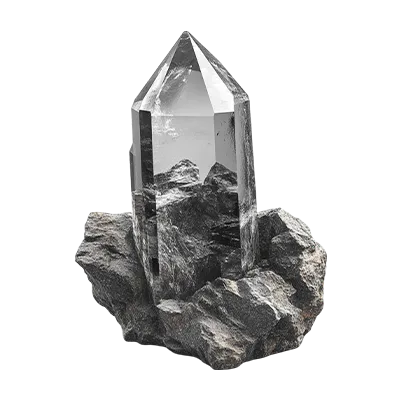
A very common mineral in the continental crust made of pure silica. It is essential in granites, sandstones, and quartzites and is known for its high hardness and glassy shine. It is highly resistant to weathering and forms beach sand. It comes in many colorful varieties, like amethyst, and is important for making glass and watches.
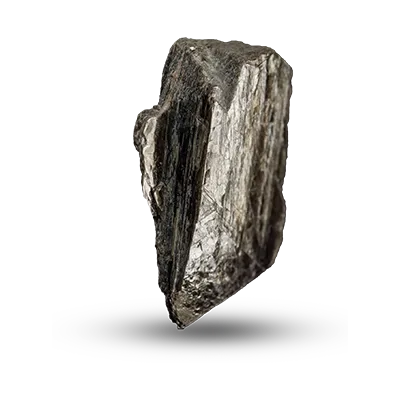
The most common white mica in the Earth’s crust. It is rich in potassium and aluminum and is found in granites, pegmatites, and schists. It stands out for its perfect cleavage, allowing it to peel into thin, flexible, and transparent sheets. It was once used as glass in ancient Russia and today is used as a thermal and electrical insulator and in cosmetic shine products.
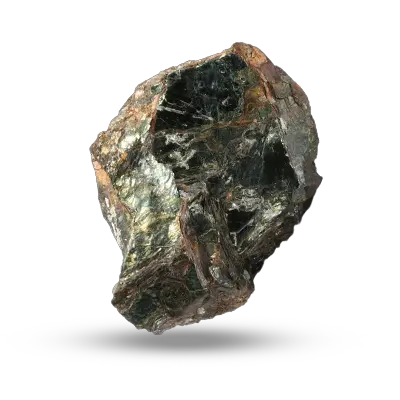
A group of phyllosilicates known for their green color, from the Greek “chloros.” It is typical of low-grade metamorphic rocks like greenschist. It forms from the alteration of minerals rich in iron and magnesium. It looks like mica and flakes apart, but its layers are not elastic and won’t return to their original shape after being bent.





marketing@santonio.com.br
+55 28 2102 1920
+55 28 9 9884 9666
Rod. Camilo Cola, Km 7,221 Monte LíbanoCachoeiro de Itapemirim, ES CEP 29.308-500 – Brasil