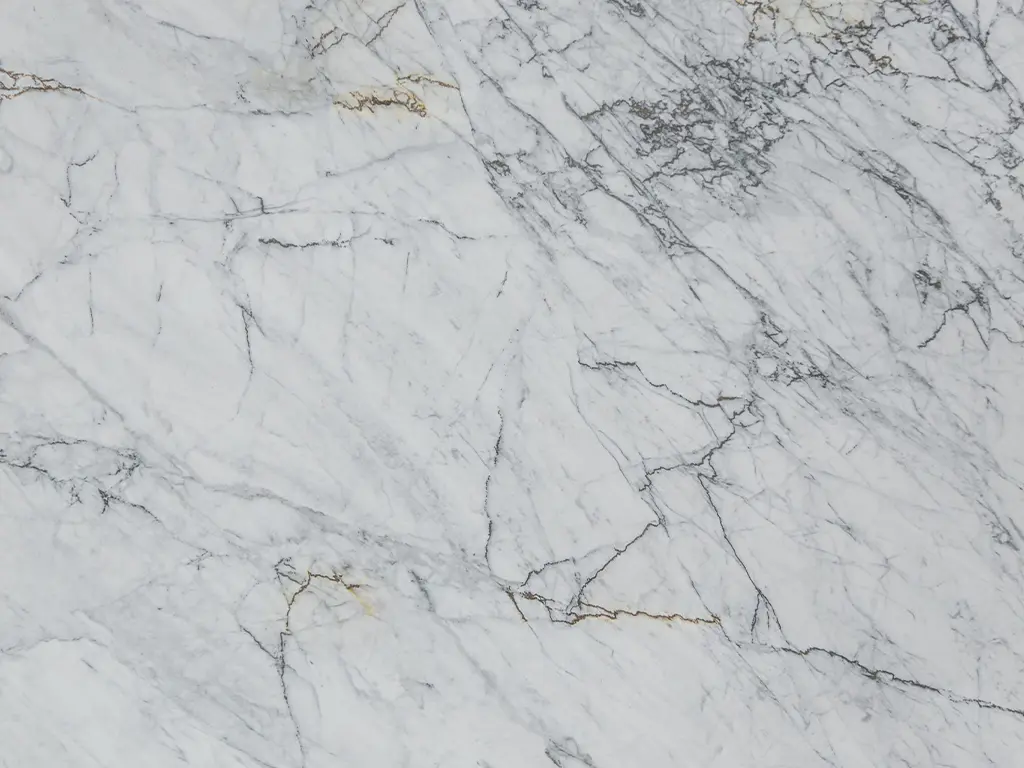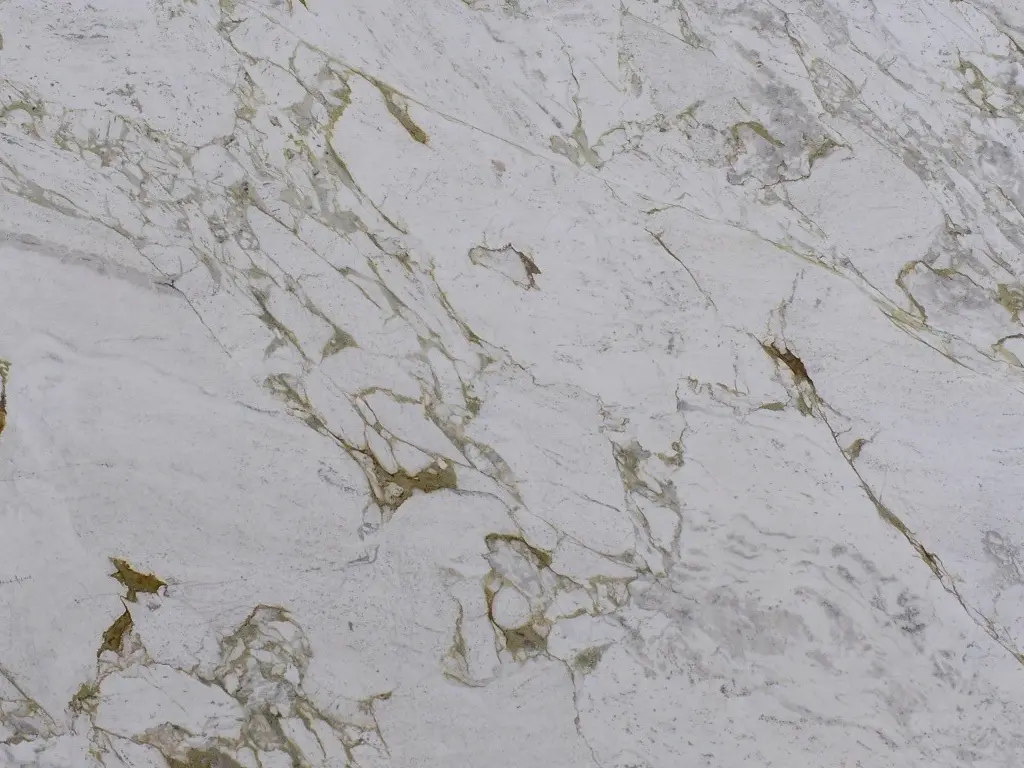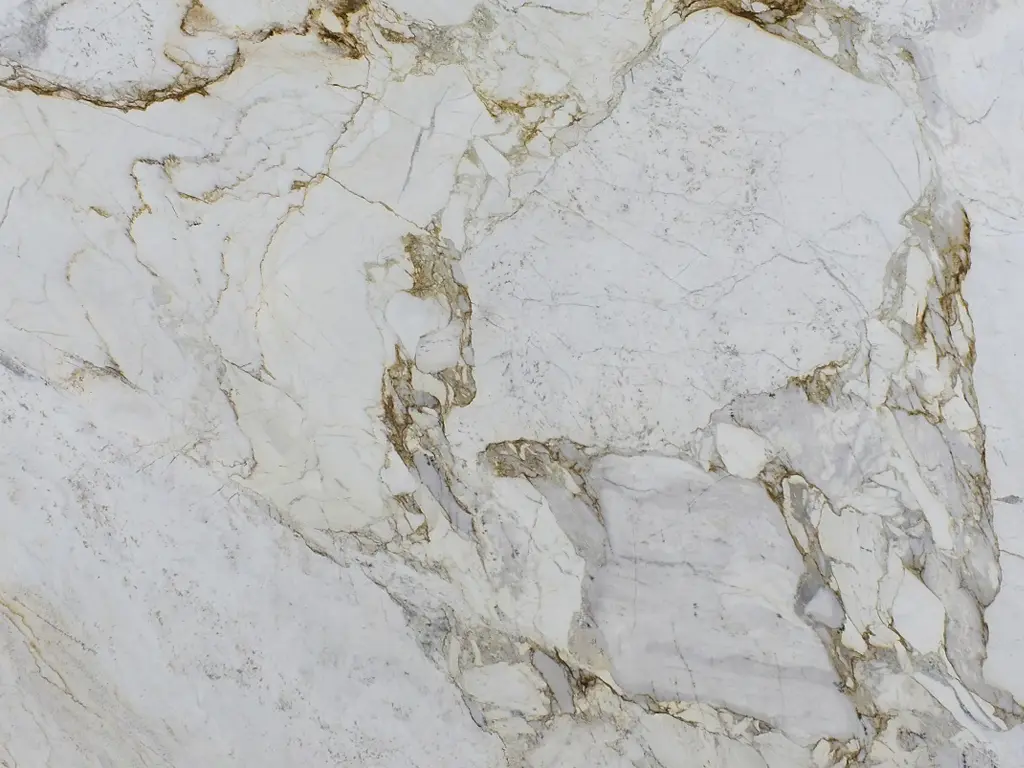
Michelangelo Nuvolato marble displays impressive crystals against a greenish-gray background. Its real igneous trachyte makeup gives it unmatched strength and very low porosity (0.45%). Blending volcanic power with a natural look, it's the go-to stone for countertops and architectural designs that need luxury, exclusivity, and lasting durability.
Every detail in natural stone comes from the perfect mix of minerals, creating colors, veins, and textures that can’t really be copied. It’s a natural formation that holds the story of the Earth, shaped over millions of years.
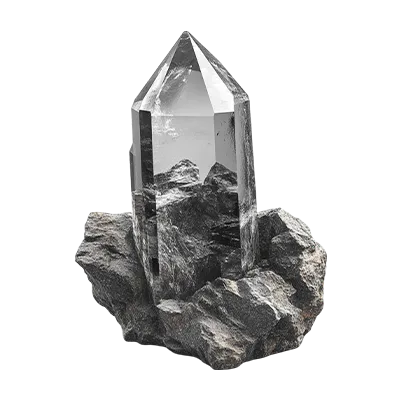
A very common mineral in the continental crust made of pure silica. It is essential in granites, sandstones, and quartzites and is known for its high hardness and glassy shine. It is highly resistant to weathering and forms beach sand. It comes in many colorful varieties, like amethyst, and is important for making glass and watches.
The most abundant mineral group in the Earth’s crust. They are aluminosilicates made of potassium, sodium, and calcium. They are essential in forming igneous rocks like granites and basalts. Their colors range from white and pink to gray, and they have a glassy shine. They are widely used in industry to produce glass, ceramics, glazes, and porcelain.
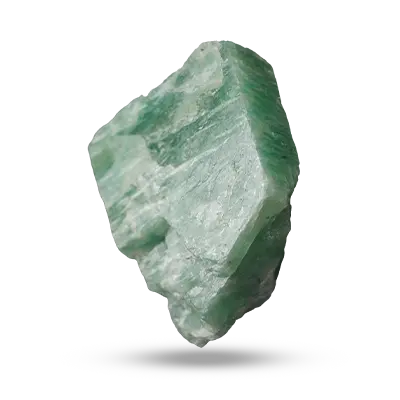
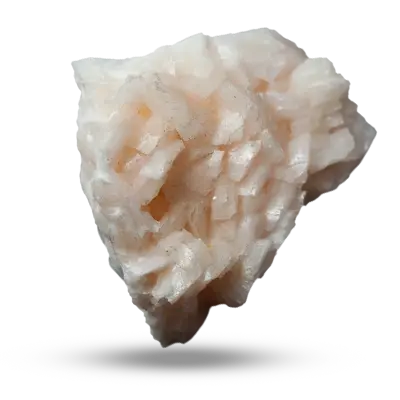
A calcium and magnesium double carbonate. Similar to calcite, but harder and only reacts with acid when scratched or crushed into powder. It forms large bodies of sedimentary rocks and marbles. Its crystals often have curved faces. It is widely used in agriculture to correct soil acidity and help nourish plants.





marketing@santonio.com.br
+55 28 2102 1920
+55 28 9 9884 9666
Rod. Camilo Cola, Km 7,221 Monte LíbanoCachoeiro de Itapemirim, ES CEP 29.308-500 – Brasil