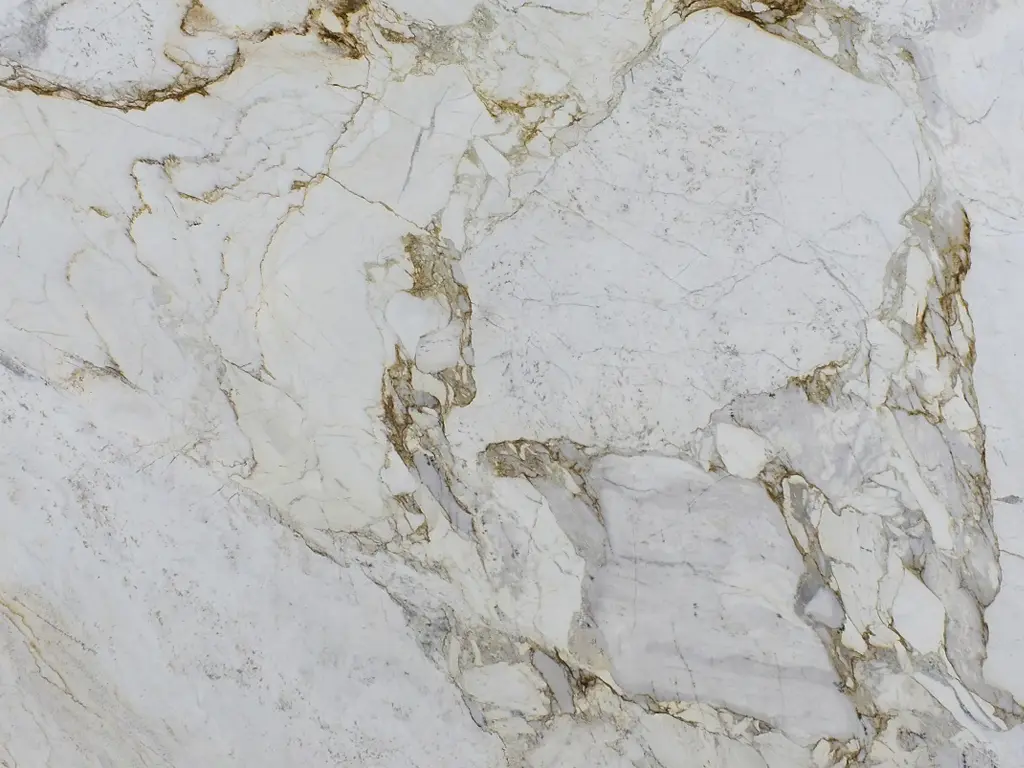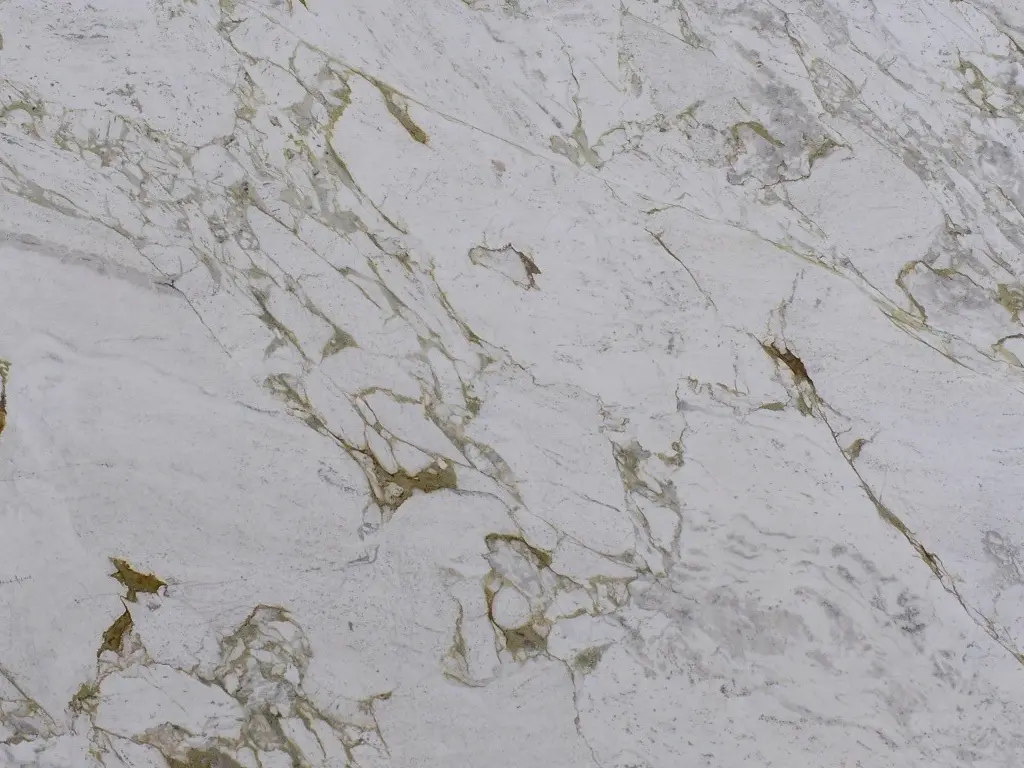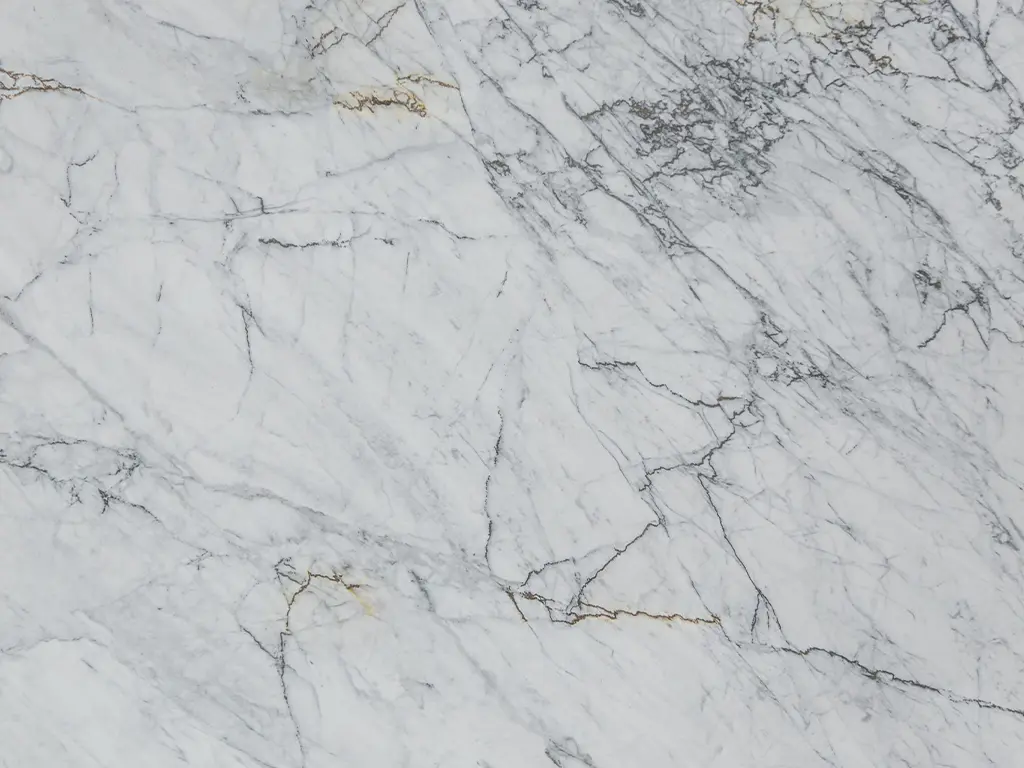
Michelangelo Prime marble has gray veins that make it stand out in any room. Just like all of Michelangelo's white marbles, it's known for its great physical and chemical qualities, including low porosity and high durability. These features make it a great choice even for busy spaces, kitchens, and bathrooms. You can use it with a polished, brushed, or honed finish.
Every detail in natural stone comes from the perfect mix of minerals, creating colors, veins, and textures that can’t really be copied. It’s a natural formation that holds the story of the Earth, shaped over millions of years.
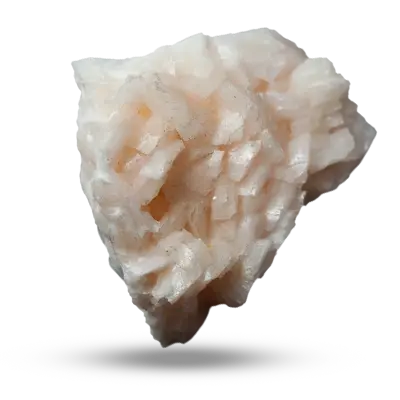
A calcium and magnesium double carbonate. Similar to calcite, but harder and only reacts with acid when scratched or crushed into powder. It forms large bodies of sedimentary rocks and marbles. Its crystals often have curved faces. It is widely used in agriculture to correct soil acidity and help nourish plants.
A very common mineral in the continental crust made of pure silica. It is essential in granites, sandstones, and quartzites and is known for its high hardness and glassy shine. It is highly resistant to weathering and forms beach sand. It comes in many colorful varieties, like amethyst, and is important for making glass and watches.
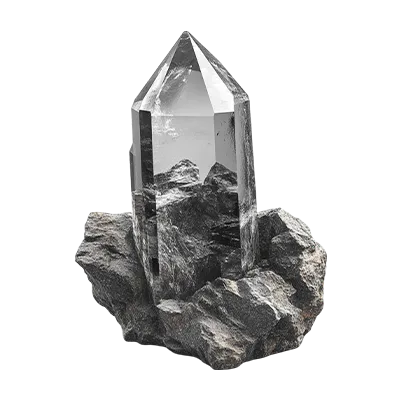
Minerals that do not let light pass through, even in very thin slices. Unlike silicates, they look black under a regular microscope. They include native metals, oxides, and sulfides like gold, pyrite, and magnetite. They have a strong metallic shine and are the economic base of metal mining around the world.





marketing@santonio.com.br
+55 28 2102 1920
+55 28 9 9884 9666
Rod. Camilo Cola, Km 7,221 Monte LíbanoCachoeiro de Itapemirim, ES CEP 29.308-500 – Brasil